
Engineering focus
weld neck raised face flange geometry, bore alignment, and butt-weld joint preparation
Product engineering
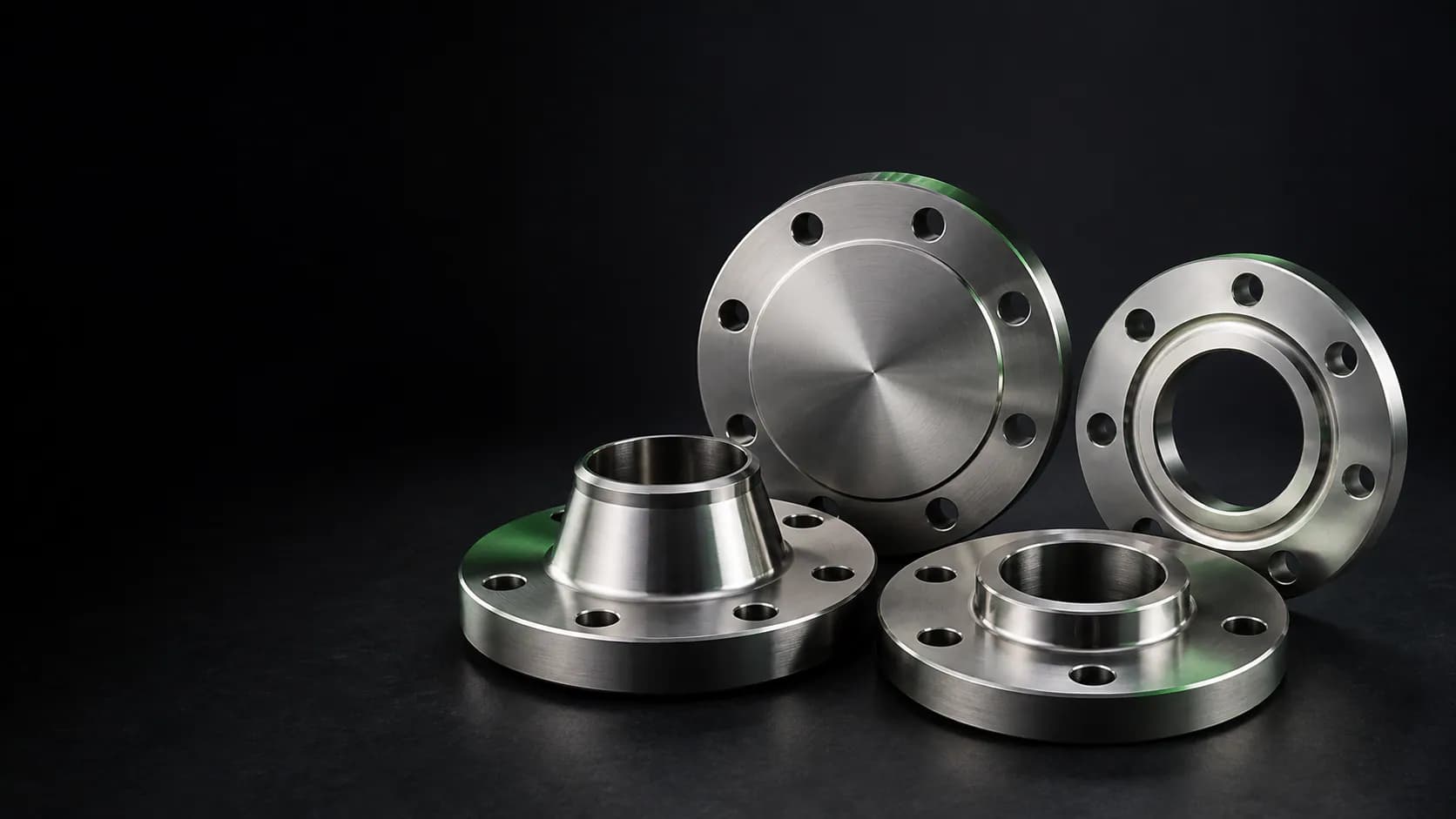
This wnrf flanges guide focuses on weld neck raised face flange geometry, bore alignment, and butt-weld joint preparation. It supports disciplined component definition for alloy piping projects, while the final configuration remains governed by the approved standard, piping class, drawing, gasket system, and project quality requirements.
Technical snapshot
Engineering discussion
The critical engineering issue for wnrf flanges is the relationship between its configuration and the complete piping joint. Material, geometry, mating components, sealing, inspection, and document release should be reviewed together before the component is accepted.
For WNRF Flanges, the RFQ must turn weld neck raised face flange geometry, bore alignment, and butt-weld joint preparation into a defined material, product-form, dimensional, inspection, document-release, quantity, packing, and delivery record. This avoids using a general alloy or product label as an unapproved technical conclusion.
Before issuing an order for WNRF Flanges, reconcile ASME B16.5, B16.36, B16.47, or drawing with the drawing or piping class, standard edition, test plan, acceptance authority, and certificate requirements. Any deviation, alternative material, or added test is a project engineering decision.
Standards and release
Confirm the relevant flange dimensional standard and facing
Use the approved alloy product-form standard
Define the project ITP and certificate requirements
Applications and next steps
Alloy flange and fitting RFQs
Piping-class execution
Drawing review
Inspection planning
Buyer questions
Technical quotation
Capture the material, product form, dimensions, standard, inspection, documentation, packing, and destination requirements for review.
Technical quotation desk
Send us your material grade, size, class or schedule, quantity, and specification.