

Malaysia coastal stainless flange procurement
Stainless Steel 316 & 316L Flanges for Malaysia
SS 316 and 316L flange enquiries for Malaysia petrochemical, chemical processing, coastal process support, marine utilities, and desalination-related requirements need a service-led review. State grade and UNS designation, material route, flange form, NPS or DN, class, facing, bore, inspection, documents, and destination. The 316 / 316L family should be considered against actual chloride and process conditions, not location alone.
Material and product paths
Start with the component route that matches the enquiry.
Each route takes the buyer from material family to product definition and the technical information needed for quotation.
Specification-led procurement
316L is not automatically suitable for every seawater service
The grade designation must be reviewed against actual chloride conditions, temperature, design, fabrication, crevices, cleaning chemistry, and the approved project specification. A coastal or desalination-support location does not determine service suitability.
Product forms
WNRF and WNRTJ • SORF • Blind RF and Blind RTJ
Quality inputs
PMI, MTC, inspection records, packing, and release documents where specified.
Technical and delivery context
The project environment belongs in the RFQ.
Use the operating environment to frame the engineering review, then keep product geometry, standards, inspection, documents, packing, and Malaysia delivery requirements on the same controlled request.
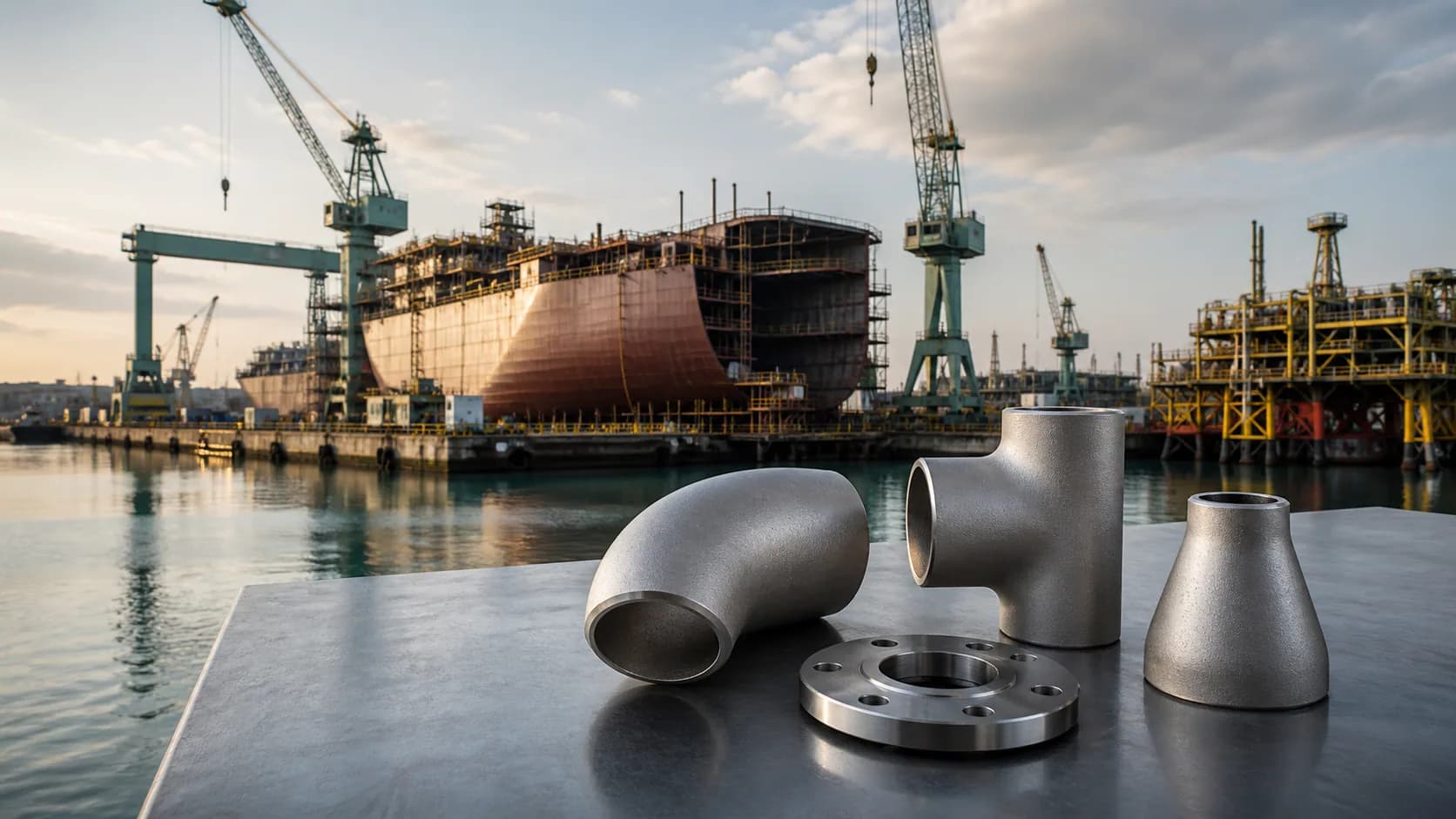
The Malaysia industry visual provides market context only. It does not depict a named RTI project, facility, customer, supplied installation, operator approval, or vendor status.
Product scope
Define the form before commercial comparison.
The product form, dimensional basis, and connection details carry as much weight as the selected material grade.
Industry context
Tie the enquiry to the actual operating environment.
The destination may affect delivery instructions; the operating environment informs the engineering review.
Malaysia industry context
Eight operating environments. One complete component definition.
Use the relevant operating context to prepare material, product, inspection, and documentation questions before quotation.
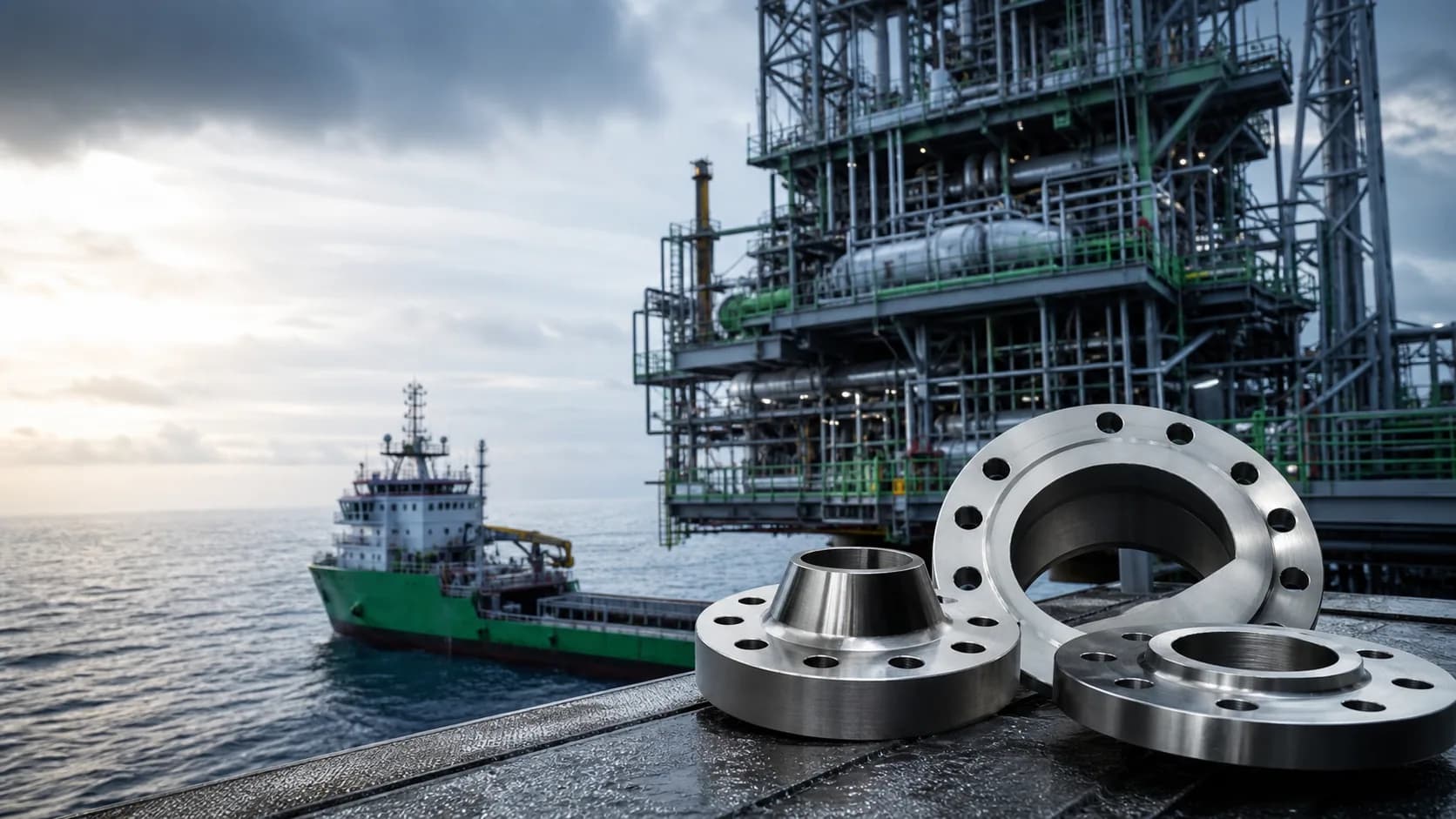
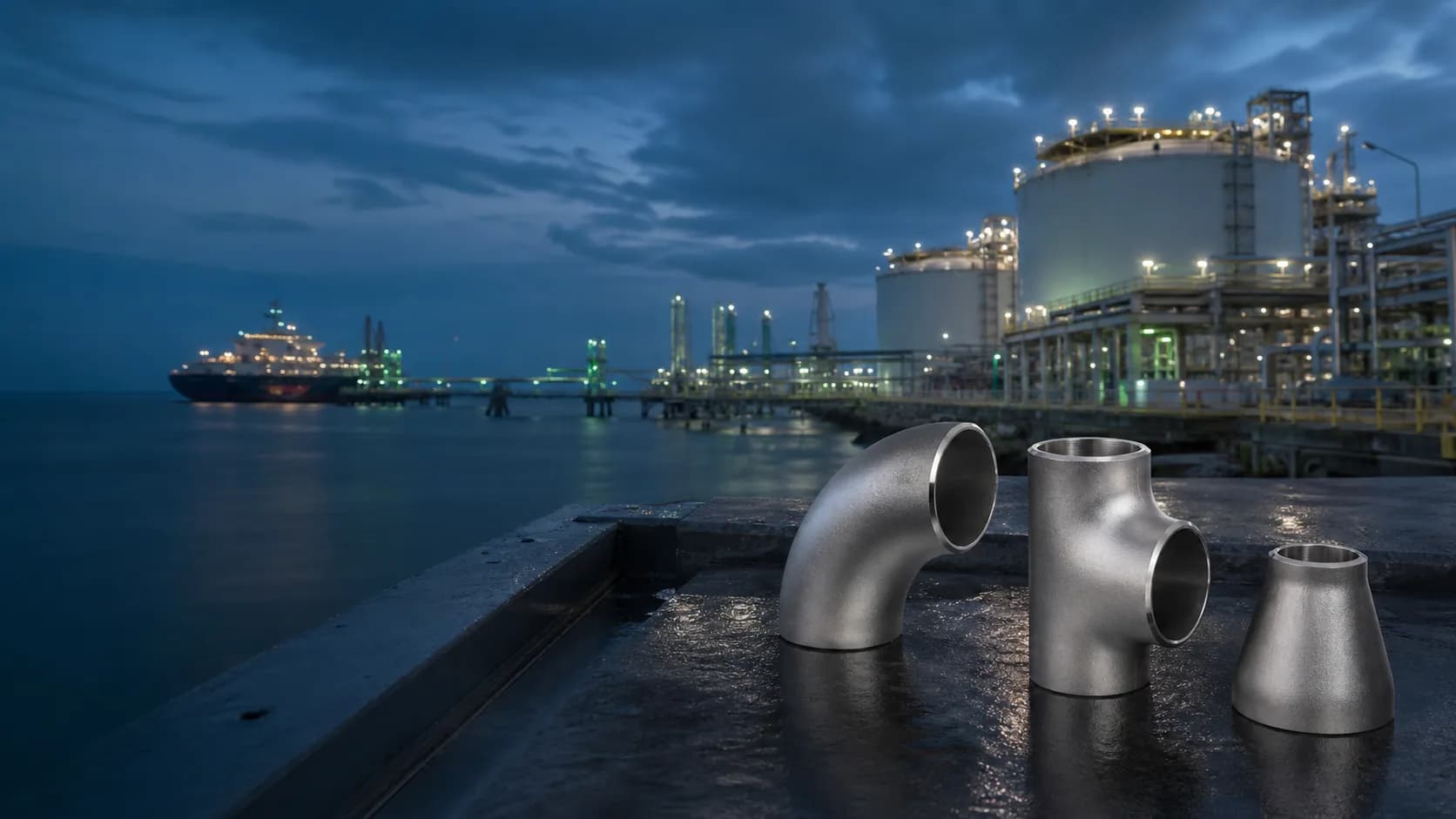
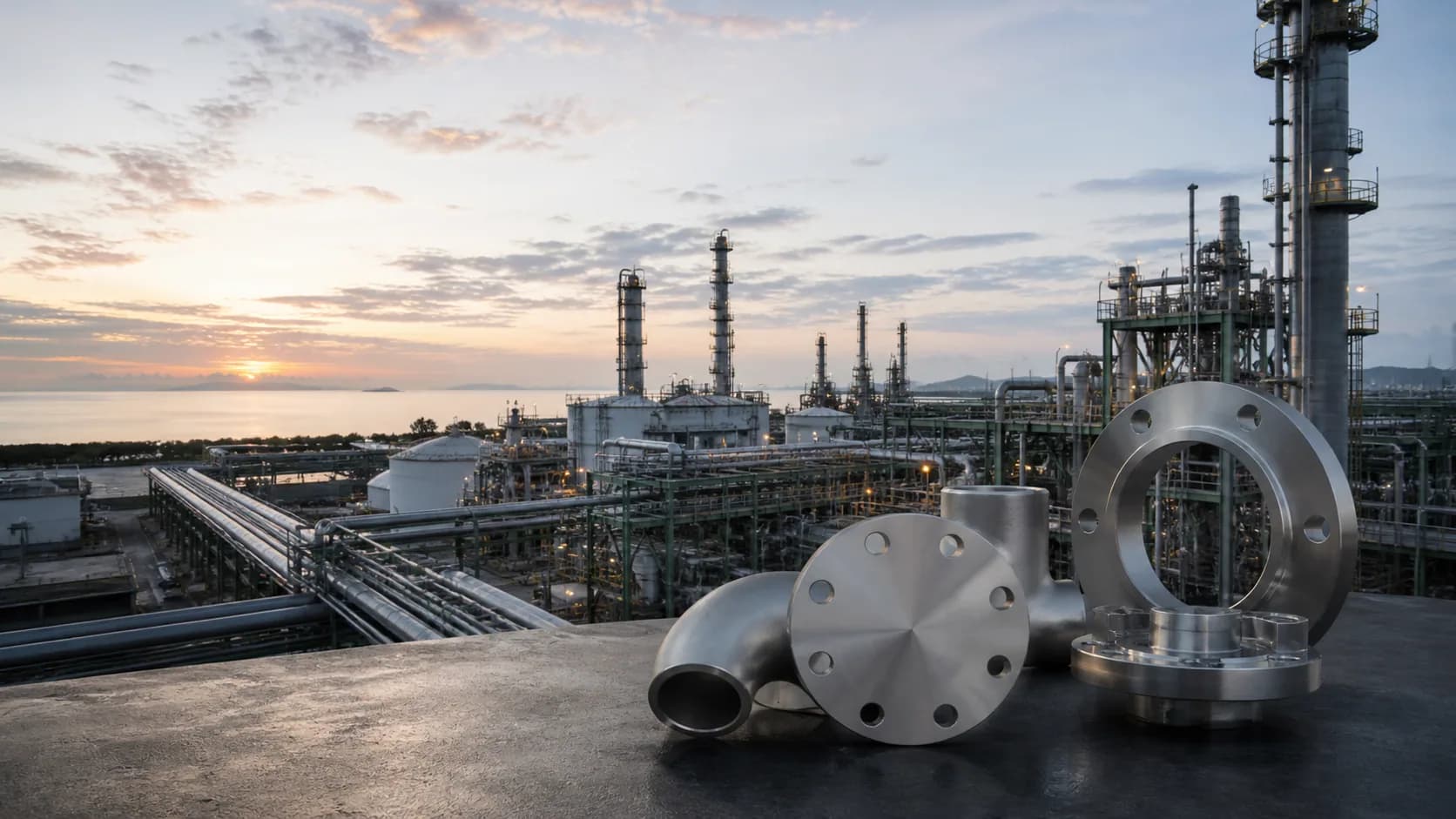
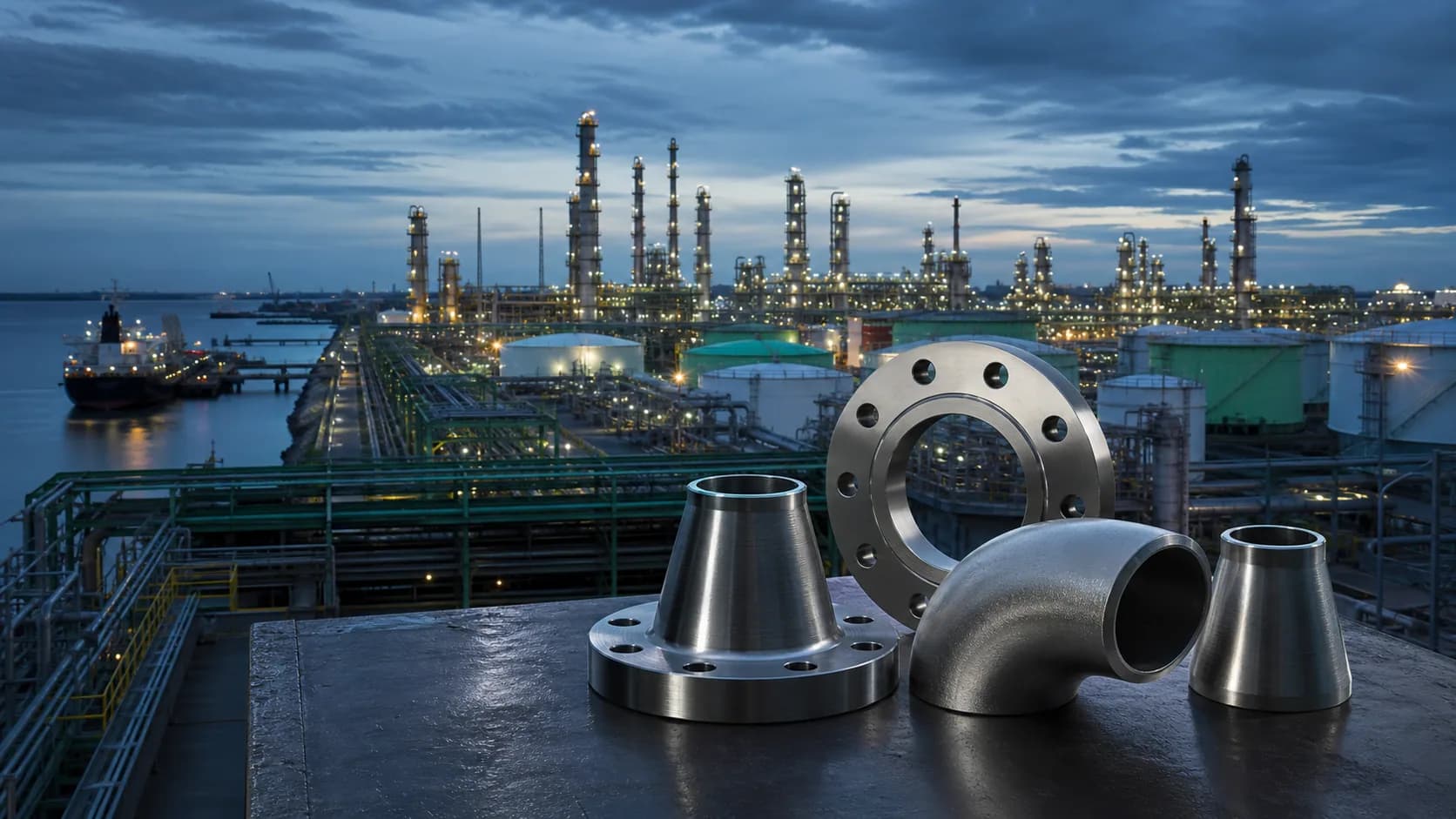
Malaysia industry visuals are used for operating context. They do not represent named RTI projects, operator approvals, or customers.
Malaysia RFQ workflow
Build the requirement in six clear inputs.
A complete technical request allows the export desk to align material, geometry, tests, documents, packing, and destination before commercial evaluation.
Engineering and documentation
Flange configuration still controls the ordered component
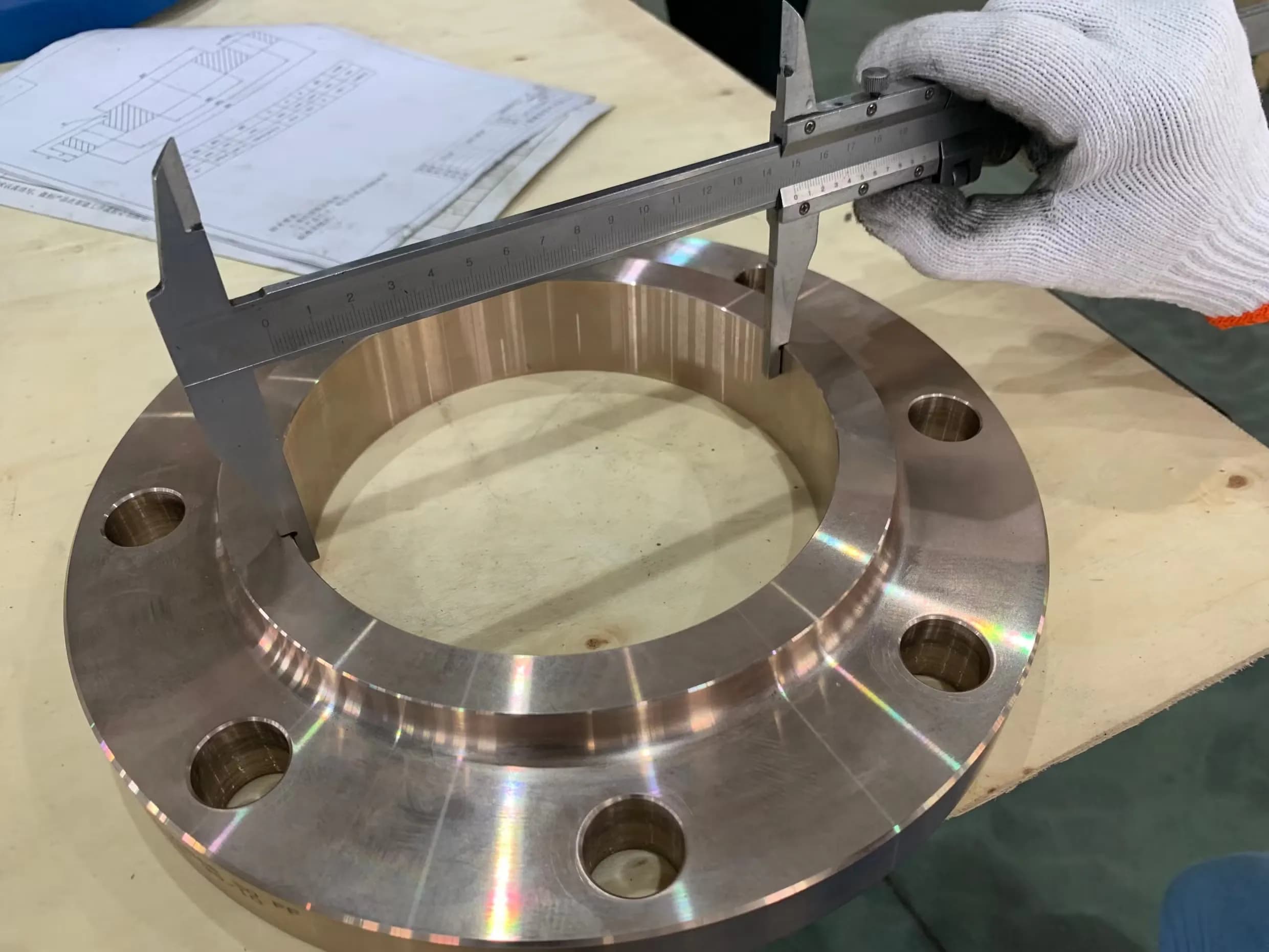
State material and dimensional routes separately, then define flange form, class, facing, bore, gasket basis, inspection, marking, MTC, PMI where required, and release documents.
Malaysia procurement FAQs
Answers for a technically complete request.
These answers guide RFQ preparation. They do not replace project engineering, applicable standards, or purchase-order requirements.
Continue the technical review
Connect the relevant material, standard, and product pages.
Malaysia Flanges and Pipe Fittings
Return to the Malaysia material-to-RFQ hub.
316L Malaysia Pipe Fittings
Pair flange and fitting requirements.
316L Material Guide
Review material and RFQ controls.
316L Global Flanges
Review global configuration detail.
ASTM A182 Guide
Review forged stainless flange material context.
ASME B16.5 Guide
Review flange classes and facing context.
Desalination
Review seawater and desalination procurement context.
Quality and Traceability
Plan PMI, MTC, inspection, and release documents.
Request Technical Quotation
Send the defined Malaysia project component requirement.
Malaysia technical quotation
Send the specification, documents, and Malaysia delivery context together.
Include material, product form, dimensions, standard, quality scope, quantity, packing, and destination so the export desk can prepare a technically clear quotation.