
Facing type is a separate flange requirement from material, NPS, and pressure class. RF, RTJ, FF, and lap-joint assemblies have different gasket and mating-flange implications, so facing must be pulled from the project piping class or drawing rather than assumed by the supplier.
Flange engineering / buyers / 7 min
Flange Facing Types Guide for Alloy Flange Procurement
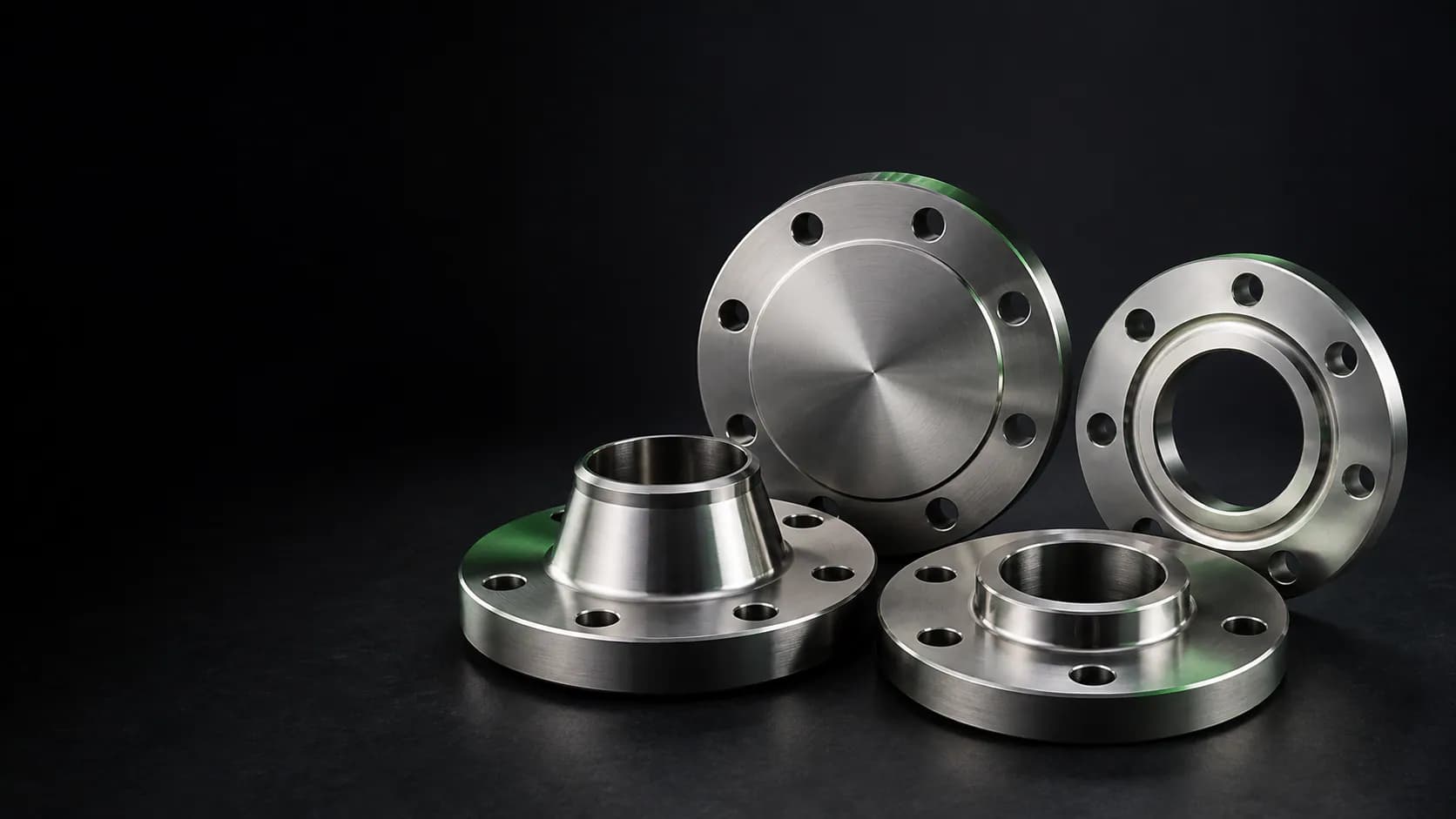
Flange facing defines the gasket seating interface and therefore affects fit-up, sealing system, machining, inspection, packing, and commercial comparison. RTI uses this guide to help buyers state raised face, ring type joint, flat face, lap-joint, or drawing-defined facing without confusing it with material grade or pressure class.
Engineering explanation
Written as a specification aid, not a generic article.
The guide keeps standards, material selection, inspection, and commercial release in separate lanes so buyers can issue a cleaner technical RFQ.
In alloy procurement, facing errors are painful because machined sealing surfaces are high-value, lead-time-sensitive features. RTJ grooves, raised faces, and special surfaces should be inspected and protected during packing.
Technical diagram
Facing specification path
Step 01
Line class
Extract facing from the piping class or isometric.
Step 02
Mating side
Check installed flange or paired component.
Step 03
Gasket
Confirm gasket type and surface compatibility.
Step 04
Machining
Define groove, face, finish, and bore requirements.
Step 05
Protection
Pack sealing surfaces with suitable protectors.
Specification table
Structured control points for engineering and procurement.
The table is intentionally compact: it summarizes the decision points RTI needs before a commercial offer becomes technically meaningful.
| Engineering point | Controlled guidance | Procurement implication |
|---|---|---|
| RF | Raised face is a common ASME flange facing type. | State RF with flange type, class, and material. |
| RTJ | Ring type joint uses a machined groove and metallic ring gasket system. | Confirm RTJ groove, gasket basis, and inspection records. |
| FF | Flat face may appear in specific piping or equipment contexts. | Do not substitute RF/FF without engineering review. |
| Lap joint | Lap-joint assemblies require stub end and backing flange coordination. | Quote both components and rotation/alignment requirements. |
| Special facing | Project drawings may define special finish or facing details. | Attach drawings and revision status with the RFQ. |
Application examples
Where this guide changes the buying conversation.
Examples show quotation contexts, not universal approvals. The project specification remains the governing document.
Buyer and procurement implications
The commercial consequences of the engineering detail.
Each point is written for quotation discipline: what to state, what to avoid, and what to hold for engineering or inspection review.
List facing per item
Every flange line should show facing; do not rely on a header note unless the RFQ is very clear.
Facing affects price
RTJ grooves and special finishes can change machining, inspection, lead time, and packing.
Protect final surfaces
Damaged sealing surfaces can make a premium alloy flange unusable on site.
Attach drawings
If the face finish or gasket surface is project-specific, the drawing and revision should be supplied before quote.
Engineering FAQs
Practical questions on Flange Facing Types.
Answers are intentionally tied to standards, documents, and RFQ data rather than loose sales copy.
Related materials
Continue the material-selection path.
Related links are deliberately narrow so the knowledge centre supports engineering choices instead of spraying pages.
Related products
Move from knowledge to line-item definition.
Product links connect the technical guide to controlled commercial pages and the RFQ intake.
Contextual RFQ
Need flange facing clarified before quote?
Attach the piping class or drawing and RTI will quote the correct facing, class, material route, inspection, and packing.