
Engineered for Critical Industries. Trusted for Global Supply.
Raymond Tube Industries logoRaymond Tube IndustriesISO 9001:2015 Certified — Consistent Quality. Global Standards. Trusted Supply.
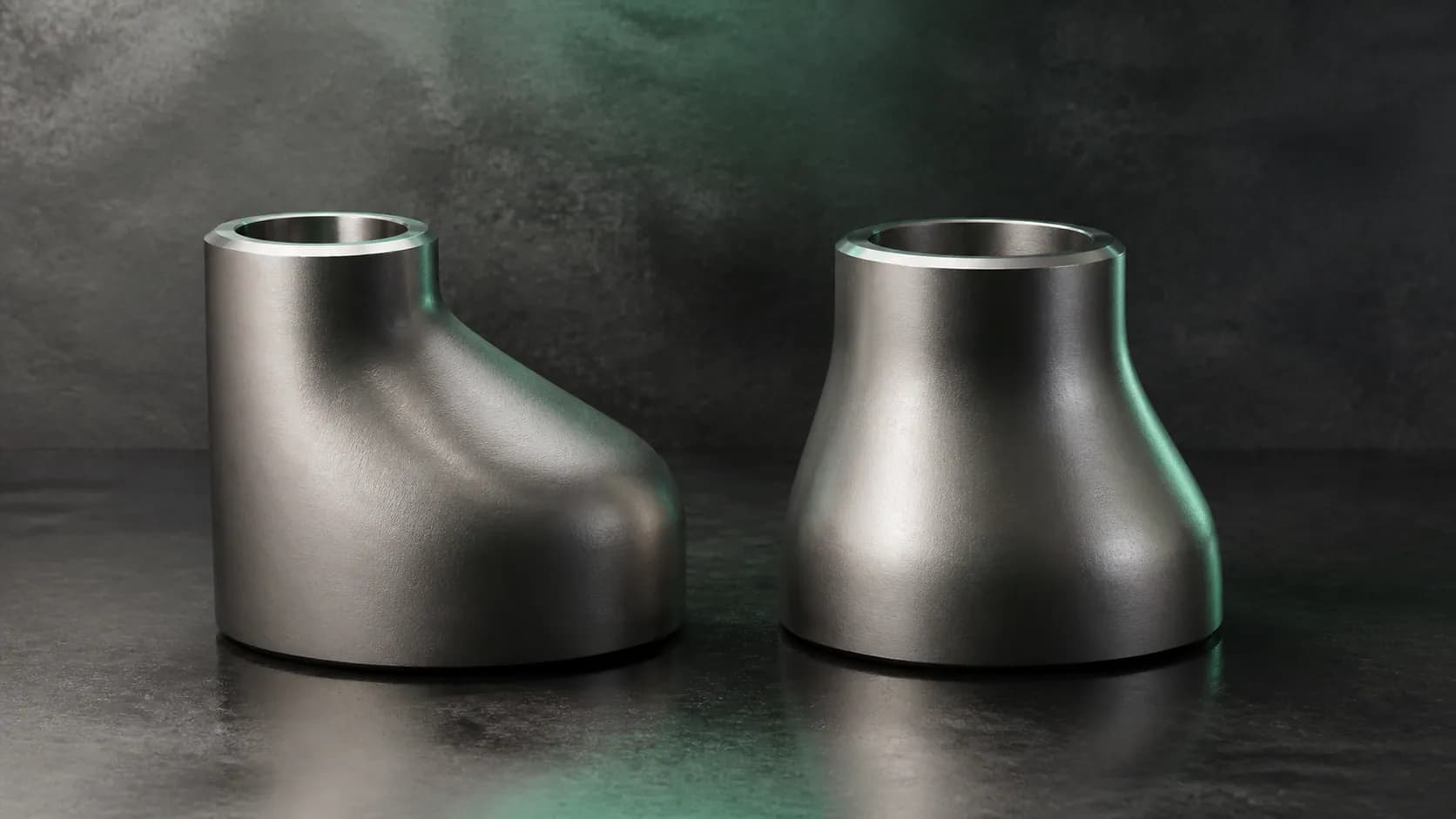
Illustrative Duplex 2205 concentric and eccentric reducers

Alloy flanges and fittings

Duplex Pipe Fittings Manufacturer & Exporter

Raymond Tube Industries manufactures and supplies Duplex Stainless Steel pipe fittings for technically controlled project piping. The scope includes butt-weld elbows, tees, reducers, caps, stub ends, and forged fittings in the exact approved duplex grade. Define UNS designation, fitting geometry, full size sequence, schedule or wall, end preparation, product and dimensional standards, heat treatment, testing, traceability, quantity, packing, and destination.

Technical snapshot

Key details for your specification.

Grade identity

Duplex 2205 with UNS S31803, S32205, or the exact approved project designation
Wrought forms

Elbows, equal and reducing tees, concentric and eccentric reducers, caps, stub ends, and crosses

Forged forms

Socket-weld and threaded fittings ordered separately by class, ends, and material route

Material standard

ASTM A815 / ASME SA815 or another construction-appropriate product specification

Dimensions

ASME B16.9, ASME B16.11, MSS, or drawing with schedule, radius, bevel, and tolerance controls

Metallurgical evidence

Heat treatment, ferrite, corrosion testing, hardness, and NDE only as required by the project

Release documents

MTC, traceability, PMI, inspection records, marking, packing, and TPI release where specified

RFQ sequence

Grade -> fitting form -> complete sizes -> schedule -> ends -> standards -> tests -> destination

Engineering discussion

Context before component selection.

The full fitting description prevents ambiguity

State elbow angle and radius, tee run and branch, reducer end sizes and orientation, cap dimensions, or stub-end pattern. Pair that geometry with exact grade, schedule, end preparation, and construction route.

Wrought and forged items require separate control

ASTM A815 and ASME B16.9 commonly frame wrought butt-weld fittings. Forged socket-weld or threaded fittings require a different material and ASME B16.11 route. Keep both scopes visible in the bill of material.

Duplex quality depends on manufacturing history

The project may require evidence for heat treatment, phase balance, ferrite, hardness, corrosion testing, or NDE. Define the method and acceptance criteria rather than relying on generic statements of compliance.

Traceability must survive forming and packing

Heat or lot identity should remain connected through forming, heat treatment, tests, final marking, inspection records, packing list, and shipment identification.

Procurement must include the service question

State chloride environment, temperature, pressure, fluid, sour conditions, fabrication restrictions, and project specifications when they influence grade selection, testing, or acceptance.

Standards and release

Define the basis, then document it.

ASTM A815 / ASME SA815

A common product route for wrought duplex and super duplex butt-weld fittings; specify grade, class, construction, heat treatment, tests, and supplementary requirements.

ASME B16.9

Dimensional basis for applicable factory-made wrought butt-welding fittings; confirm schedule, end preparation, radius, and fitting geometry.

ASME B16.11

Applicable forged socket-weld or threaded items require a separate class, end, material, and dimensional review.

Project inspection plan

Corrosion tests, ferrite, hardness, NDE, PMI, TPI, and acceptance records must be explicitly included when required.

Related application

Data center cooling systems

Review how water chemistry, cooling architecture, equipment interfaces, inspection, and documentation shape stainless and duplex component RFQs.

Open engineering hub

Buyer questions

Frequently asked questions.

Which material standard commonly applies to duplex butt-weld fittings?

ASTM A815 / ASME SA815 is a common route; the exact grade, class, construction, heat treatment, tests, and project additions must be stated.

Which duplex fitting forms can be requested?

Elbows, tees, reducers, caps, stub ends, crosses, and separate forged socket-weld or threaded fitting line items can be reviewed.

How should duplex reducers and reducing tees be described?

Provide the full large-end, small-end, run, and branch sequence with schedule, orientation, ends, and dimensional basis.

Can corrosion testing be specified?

Yes. State method, acceptance criteria, frequency, sample location, witness requirements, and report format.

Do forged duplex fittings follow ASME B16.9?

No. Applicable forged socket-weld and threaded fittings are generally reviewed to ASME B16.11 and a grade-appropriate forged material route.

How should traceability be maintained?

Require heat or lot identity to reconcile with MTC, process and test records, marking, packing list, quantity, and release documents.

What information is required for a duplex fitting quotation?

Provide grade and UNS, geometry, full sizes, schedule, ends, standards, quantity, testing, documents, packing, and destination.

Technical quotation

Turn this guidance into a controlled request.

Capture the material, product form, dimensions, standard, inspection, documentation, packing, and destination requirements for review.

Technical quotation desk

Have a Technical Requirement?

Send us your material grade, size, class or schedule, quantity, and specification.