
Engineered for Critical Industries. Trusted for Global Supply.
Raymond Tube Industries logoRaymond Tube IndustriesISO 9001:2015 Certified — Consistent Quality. Global Standards. Trusted Supply.
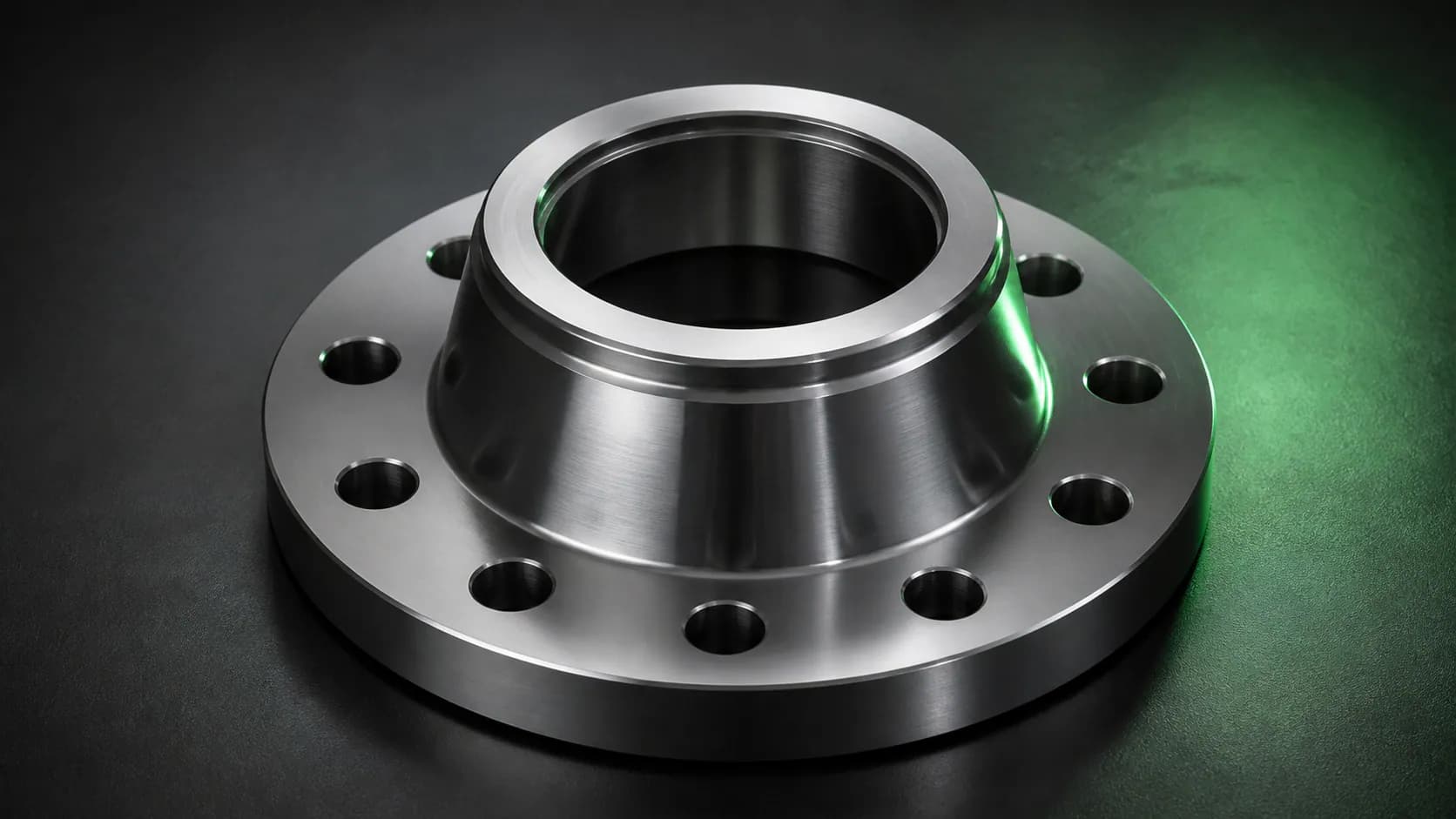
Illustrative Duplex 2205 ring type joint weld neck flange

Alloy flanges and fittings

Duplex Stainless Steel Flanges Manufacturer & Exporter

Raymond Tube Industries manufactures and supplies Duplex Stainless Steel flanges for process, offshore, marine, chemical, and chloride-bearing piping requirements. Buyers should state whether the approved material route is Duplex 2205, UNS S31803, UNS S32205, or a project-specific designation, then define flange form, size, class, facing, bore, material and dimensional standards, heat treatment, inspection, documentation, packing, and destination.

Technical snapshot

Key details for your specification.

Material route

Duplex 2205 with the exact approved UNS and grade designation stated in the enquiry
Flange forms

Weld neck RF/RTJ, blind RF/RTJ, slip-on, socket weld, threaded, lap joint, long weld neck, and drawing forms

Material standard

ASTM A182 / ASME SA182 grade route as specified by the project

Dimensional basis

ASME B16.5, ASME B16.47, or approved drawing with class, facing, bore, and tolerances

Metallurgical control

Heat treatment, ferrite or phase-balance evidence, corrosion testing, and hardness only where specified

Inspection

PMI, dimensions, NDE, IGC, TPI, and traceability requirements defined before order

Documentation

MTC / EN 10204 3.1, heat traceability, inspection reports, marking, and release dossier

RFQ input

UNS / grade, flange form, size, class, facing, bore, standards, quantity, quality scope, and destination

Engineering discussion

Context before component selection.

State the approved duplex designation

Duplex 2205, UNS S31803, and UNS S32205 are often discussed together, but the purchase order must carry the exact material and grade designation approved by the project. Substitution requires engineering acceptance.

Flange configuration remains independent of alloy

Weld neck, RTJ, blind, slip-on, socket-weld, threaded, and lap-joint forms have different connection and inspection controls. Define class, facing, bore, hub, and gasket interface for each item.

Thermal history matters to duplex procurement

The ordered product standard and project additions should define heat treatment and any required phase-balance, corrosion, ferrite, or hardness evidence. Final acceptance comes from the agreed tests and MTC.

Inspection planning should precede manufacture

Set PMI, dimensions, NDE, corrosion testing, TPI witness points, marking, traceability, and dossier requirements before work begins so test samples and records remain connected to the heat and line item.

Service context belongs in the enquiry

Provide chloride exposure, temperature, pressure, fluid, sour-service context, fabrication restrictions, and project specification where material selection or supplementary testing depends on the environment.

Standards and release

Define the basis, then document it.

ASTM A182 / ASME SA182

Confirm the exact duplex grade designation, product form, heat treatment, mechanical requirements, testing, and supplementary requirements in the order.

ASME B16.5

Common dimensional route for applicable flange sizes and pressure classes; pair it with the material specification and piping class.

ASME B16.47

Use the applicable series only for large-diameter requirements within its scope and with the project-approved dimensional basis.

Project corrosion requirements

IGC, pitting corrosion, NACE, ferrite, hardness, NDE, and acceptance criteria must be stated where applicable; none are automatic from the word duplex.

Related application

Data center cooling systems

Review how water chemistry, cooling architecture, equipment interfaces, inspection, and documentation shape stainless and duplex component RFQs.

Open engineering hub

Buyer questions

Frequently asked questions.

Should an RFQ say Duplex 2205, S31803, or S32205?

Use the exact UNS and grade designation shown in the approved material specification. Do not rely on 2205 as the only technical identifier.

Which material standard is commonly used for duplex flanges?

ASTM A182 / ASME SA182 is a common forged flange route; specify the exact grade and all project supplementary requirements.

Can duplex flanges be requested with RTJ facing?

Yes, where the flange form, pressure class, gasket system, groove geometry, and piping class permit RTJ construction.

Is IGC testing automatically included?

No. State the required method, acceptance criteria, frequency, witness point, and report requirement when the project requires corrosion testing.

Should ferrite or phase-balance evidence be requested?

Only where required by the purchase specification. Define the method, location, acceptance range, and report format before order.

Can PMI and TPI be specified?

Yes. Define scope, sampling, witness points, identification, reporting, and final release authority.

What details are needed for a duplex flange quotation?

Provide grade and UNS, flange form, size, class, facing, bore, standards, quantity, heat-treatment or testing requirements, documents, packing, and destination.

Technical quotation

Turn this guidance into a controlled request.

Capture the material, product form, dimensions, standard, inspection, documentation, packing, and destination requirements for review.

Technical quotation desk

Have a Technical Requirement?

Send us your material grade, size, class or schedule, quantity, and specification.