
High-density facility water
Direct-to-chip or liquid-cooling deployments can introduce dedicated facility-water loops and closely controlled heat-exchanger boundaries. Component selection follows the approved mechanical design.
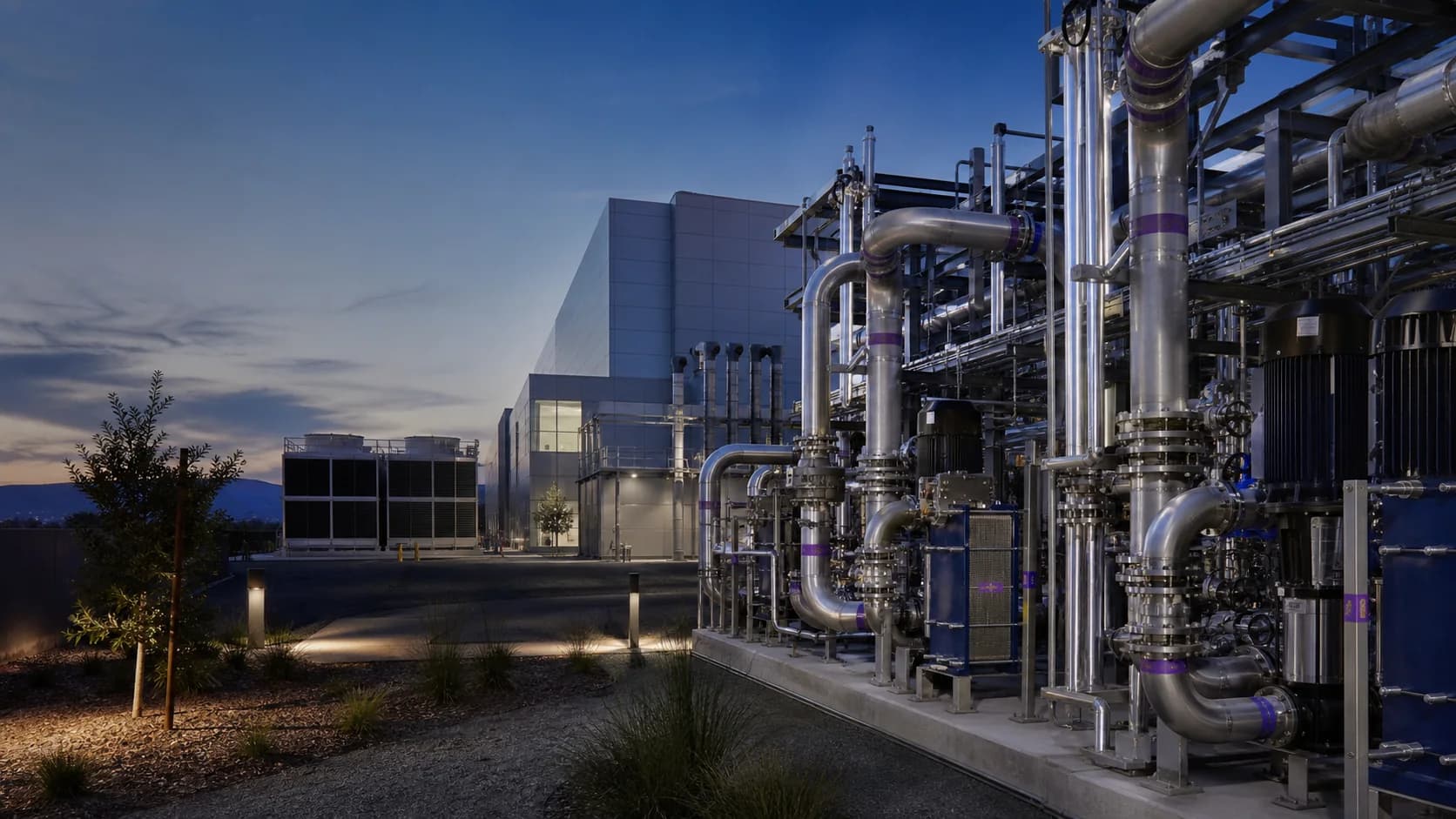
United States / California / AI and high-density computing
Raymond Tube Industries manufactures and exports stainless steel and duplex flanges and pipe fittings for San Jose data-center mechanical infrastructure, including high-density cooling loops, recycled-water interfaces, heat rejection, and high-tech plant upgrades.
Engineering context
Define the operating system, water chemistry, equipment interfaces, dimensional standard, and release documentation before selecting the component route.
San Jose's high-tech infrastructure context brings together dense computing, semiconductor expertise, constrained water resources, and evolving data-center environmental requirements. Mechanical packages may include facility-water loops for liquid cooling, heat exchangers, recycled-water boundaries, heat-rejection equipment, and resilient backup systems.
Closed-loop and recycled-water circuits should not be treated as one material environment. Water source, treatment, chloride content, concentration cycles, temperature, oxygen, cleaning, and interface materials all affect the alloy review. Stainless Steel 316L is the lead route on this page, with 304L and Duplex 2205 evaluated against the actual service.
RTI supports San Jose RFQs as an India-based manufacturer and exporter. RTI does not state that it has an office, warehouse, stockyard, manufacturing facility, or local inventory in San Jose or California, and no named-project supply is implied.
Location-specific review
Direct-to-chip or liquid-cooling deployments can introduce dedicated facility-water loops and closely controlled heat-exchanger boundaries. Component selection follows the approved mechanical design.
Where recycled water supports heat rejection, keep it distinct from closed IT-side or facility-water loops and evaluate chemistry, treatment, and corrosion at each interface.
Data-center, semiconductor, utility, and clean high-tech environments may coexist regionally, but each RFQ needs its own service, cleanliness, documentation, and material definition.
Data-center applications
Each application carries its own fluid, equipment, inspection, cleanliness, and maintenance context.
Flanges and fittings connecting cooling distribution units, heat exchangers, pumps, and high-density rack cooling infrastructure.
Corrosion-resistant component routes for central or modular cooling plants and maintainable distribution networks.
Project-specific components at secondary water, tower, treatment, and heat-exchange boundaries.
Flanged equipment connections, reducers, isolation, bypasses, and removable spools around separated water circuits.
Utility and process-support piping where cleanliness, traceability, and material segregation require explicit RFQ controls.
Cooling and water connections supporting resilient power equipment, subject to vendor and site specifications.
Material priorities
316L, 304L, and Duplex 2205 receive the main procurement focus. Super duplex and nickel alloys remain restricted to explicitly defined specialty services.
Component forms
Product form, material route, dimensions, and inspection must remain explicit throughout the quotation.
Weld neck flanges are commonly reviewed for welded headers and equipment nozzles. Slip-on, blind, socket weld, threaded, and lap-joint forms remain specification-dependent choices for isolation, maintenance, small-bore service, and dissimilar-material transitions.
Review product routeElbows, tees, reducers, caps, and stub ends define direction changes, branch connections, equipment transitions, and removable joints. Socket-weld and threaded forged fittings may be evaluated for smaller utility branches where the piping class permits.
Review product routeStandards
Use the project piping class, equipment drawings, and purchase specification to resolve the final combination.
Use the project piping class to define NPS, class, facing, bore, flange form, and dimensional edition. Pressure class is not a standalone pressure guarantee and must be reconciled with material and temperature.
ASME B16.9Specify fitting geometry, NPS, schedule or wall thickness, end preparation, dimensional edition, and the applicable material product specification for elbows, tees, reducers, caps, and stub ends.
ASME B16.11Socket-weld and threaded fittings require an explicit pressure class, end type, dimensional basis, and material grade. They should follow the approved small-bore piping class rather than a generic substitution.
Inspection and documentation
Define internal cleanliness, protected ends, handling, pickling or passivation evidence, and packaging appropriate to the selected closed-loop or high-tech service.
Use heat traceability, MTC review, and PMI where specified to prevent grade mix-up between closed-loop, recycled-water, treatment, and utility packages.
Inspect facing, bore, drilling, thickness, end preparation, and nozzle compatibility around heat exchangers, cooling distribution units, pumps, and treatment skids.
Procurement controls
Identify IT-side, facility-water, chilled-water, condenser-water, recycled-water, treatment, or auxiliary service for every line item.
Provide chemistry and treatment information available for potable, recycled, tower, closed-loop, or blended water service.
Do not use a generic clean-service statement. Specify surface, cleaning, capping, packaging, inspection, and acceptance criteria needed by the project.
Where duplex, super duplex, or nickel alloy is requested, include the engineering basis, exact UNS, product specification, testing, and fabrication requirements.
Buyer FAQs
Answers keep location intent useful without making local-stock, local-facility, or named-project claims.
Engineering links
Data-center component RFQ
Send the circuit, material and UNS, product form, size, class or schedule, facing or end connection, quantity, standards, inspection, documentation, packing, and destination.
Technical quotation desk
Send us your material grade, size, class or schedule, quantity, and specification.